
Sleep Trackers
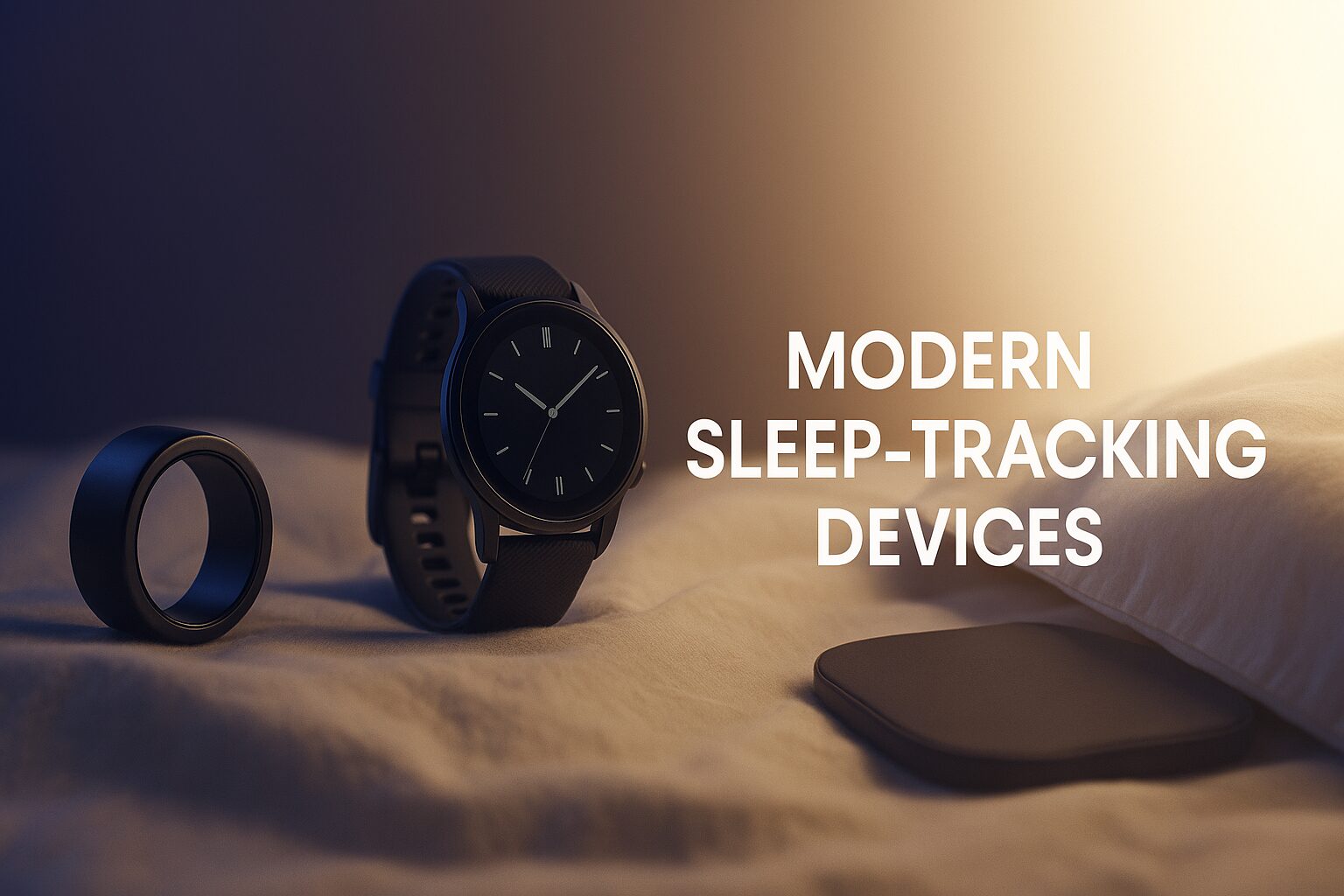
Find Your Best Sleep: Comprehensive Tracker Reviews
From advanced smart rings to non-wearable sensors, discover which device provides the most accurate data for your recovery and health goals.
Technology Deep Dive: Heart Rate Accuracy Explained
Choosing the right tracker depends on where the sensors touch your body—or if they touch it at all. Accuracy hinges on the sensor location and technology.
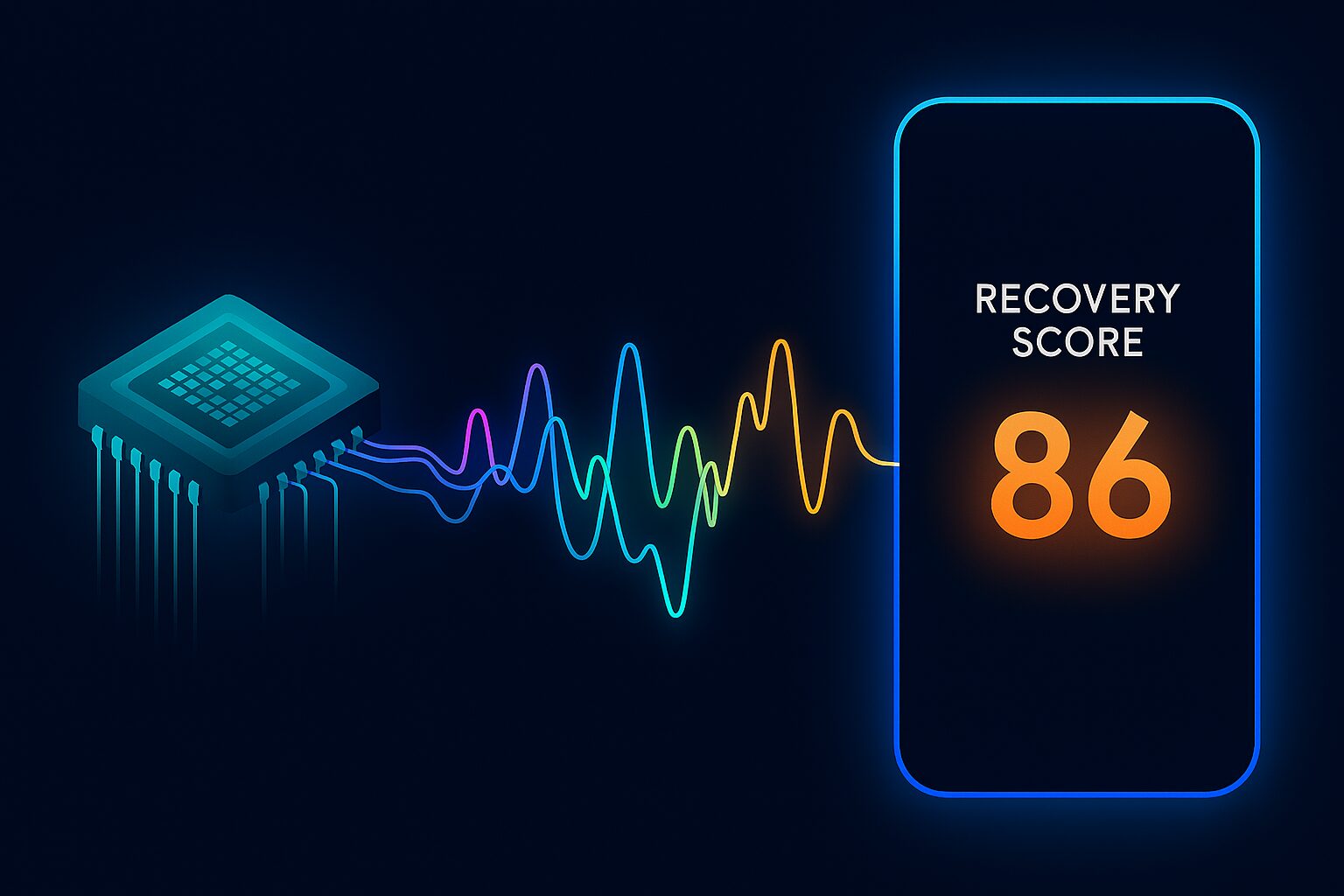
PPG Signal Processing: Wearables rely on clean blood flow readings to calculate Recovery Score and Sleep Stages.
Wearable (Rings & Watches)
These devices use PPG sensors and accelerometers. The key advantage is precise access to arterial blood flow, enabling high-quality Heart Rate Variability (HRV) and skin temperature data.
— Best For: Biohacking, Recovery Tracking, and detailed RHR monitoring.
Non-Wearable (Mats & Pads)
These systems employ Ballistocardiography (BCG) to detect subtle vibrations caused by the heart pumping blood and body movement through the mattress. They prioritise comfort over biological detail.
— Best For: Uninterrupted sleep, tracking long-term sleep duration and consistency.
EEG / Specialized Trackers
Dedicated devices (like headbands) use Electroencephalography (EEG) electrodes for medical-grade brainwave tracking. This is the definitive standard for differentiating true REM and Deep sleep cycles.
— Best For: Clinical sleep stage analysis and high-cost, high-fidelity research.
The Ultimate Sleep Tracker Comparison Matrix
Detailed comparison of the top-rated devices across different tracking categories.
| Model | Device Type | Key Metric | HRV/Temp Accuracy | Subscription? | Link |
|---|---|---|---|---|---|
Overall Best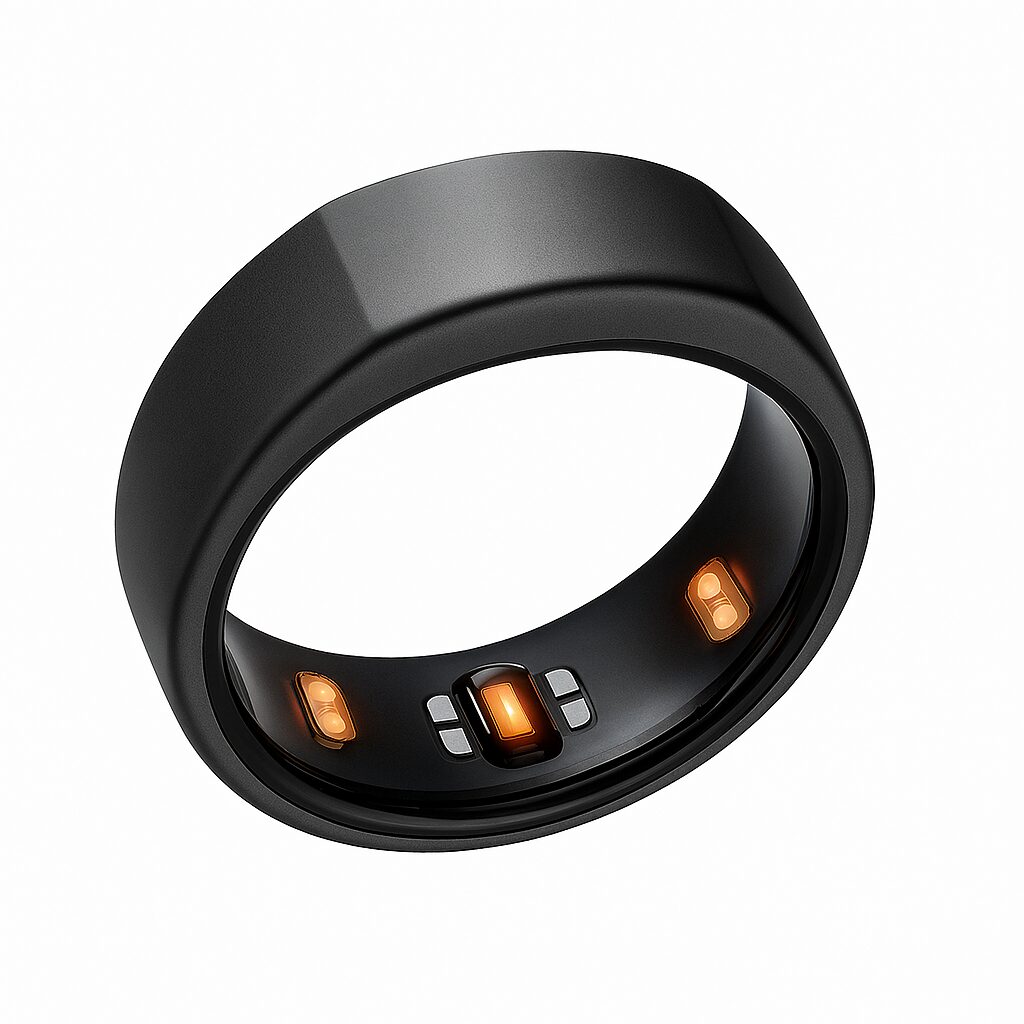 Oura Ring Gen3 |
Ring (Wearable) | Readiness Score | High / Clinical-grade | ✅ Yes ($5.99/mo) | View Oura |
Best Watch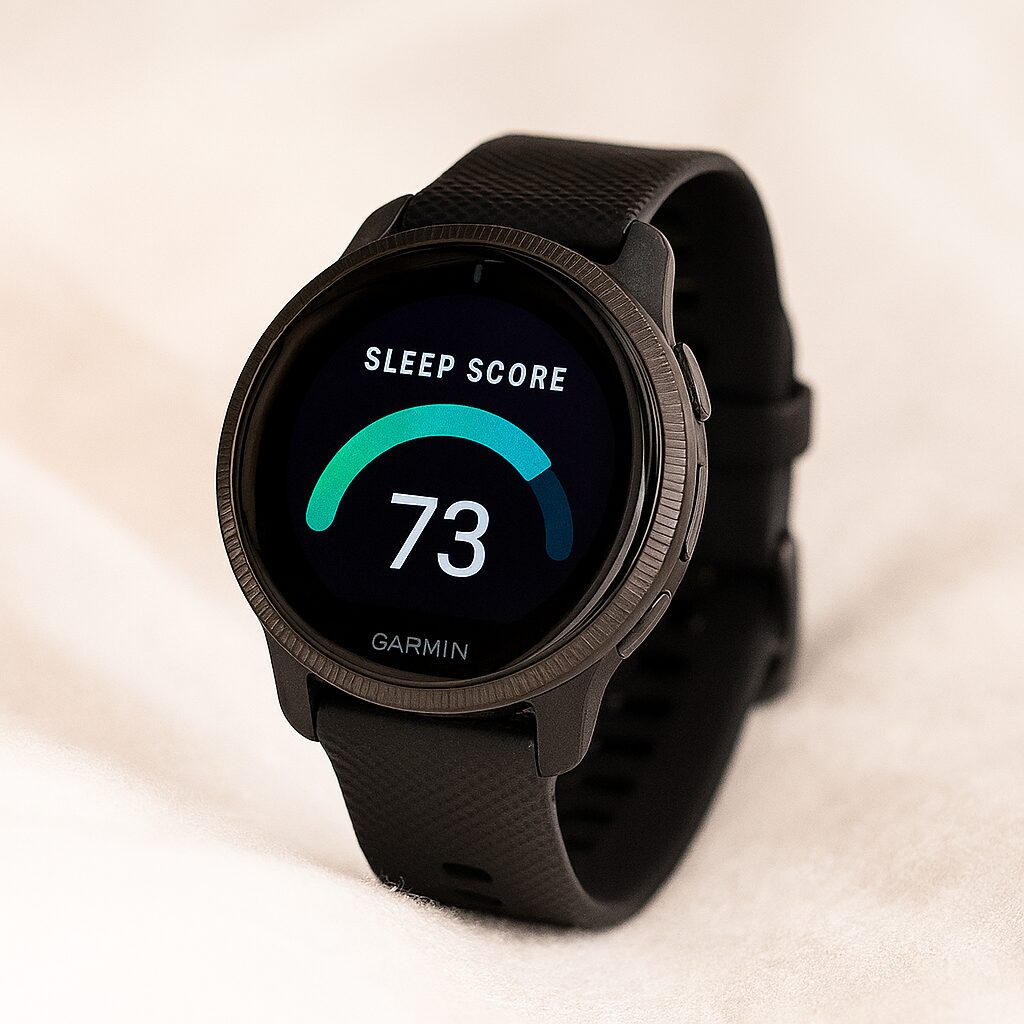 Garmin Venu 3 |
Smartwatch (Wrist) | Body Battery™ Energy Score | Medium / Estimated | ❌ No | View Garmin |
Best Non-Wearable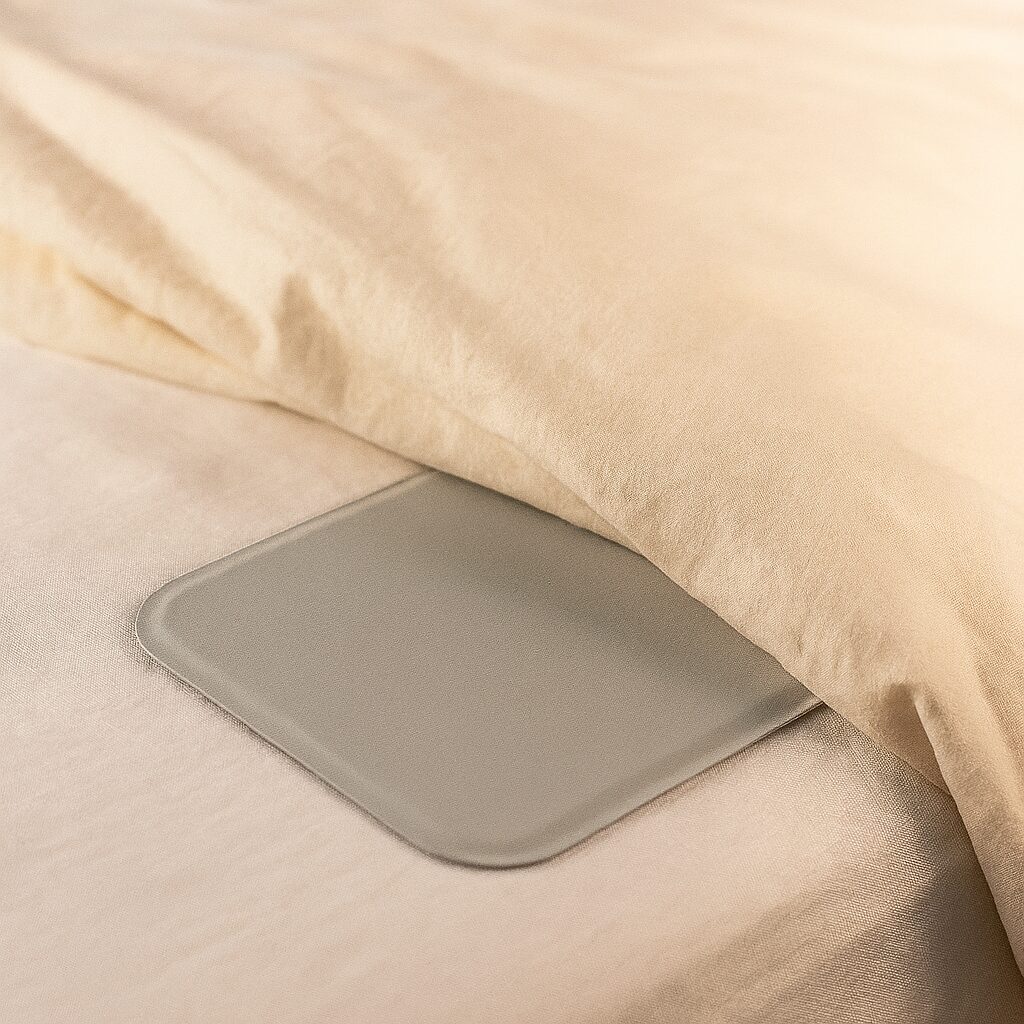 Withings Sleep Analyzer |
Mat/Sensor | Sleep Apnea Detection | Low / N/A | ✅ Yes (Health+) | View Withings |
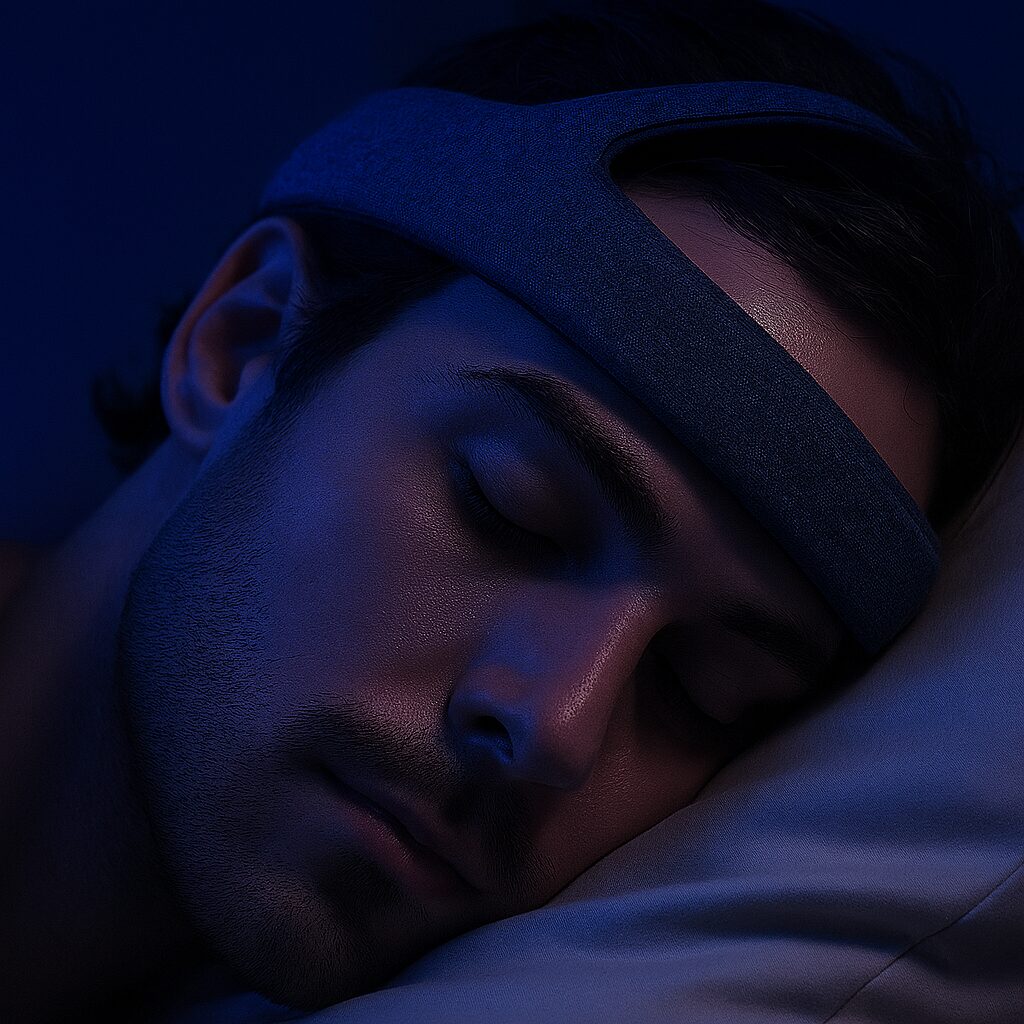 Dreem 3 (EEG Headband) |
EEG (Dedicated) | Sleep Latency/Delta Wave Time | Very High / Direct EEG | ❌ No (One-time cost) | View Dreem |
Smart Tracker Buying Guide: 3 Critical Questions
1. Comfort: Wearable vs. Non-Wearable?
Do you toss and turn, or dislike sleeping with jewelry? Rings and Watches offer highly accurate data but can be distracting. Non-wearables (Mats/Pads) are ideal for uninterrupted sleep, sacrificing some biometric detail.
2. Data Depth: Do you need Sleep Stage Validation?
If you’re tracking Deep and REM sleep for serious health insights (like possible Sleep Apnea), prioritise trackers that use SpO2 (Blood Oxygen) or EEG sensors (e.g., Oura, Dreem). Basic watches rely more on movement.
3. Total Cost: Subscription vs. One-Time Purchase?
Many top trackers require a subscription (e.g., Oura, Withings Health+). Calculate the Annual Cost of Ownership (ACO) before purchasing. Some devices, like most Garmin watches, offer lifetime access to core data for the initial price.
4. Ecosystem Integration
Ensure the tracker supports your existing apps and platforms. If you track daily steps via Apple Health/Google Fit, choose a device that syncs effortlessly for a unified health dashboard.
Frequently Asked Questions (FAQs)
Q: How accurate are sleep trackers really?
A: Modern consumer trackers are generally accurate for Total Sleep Time (TST) and Resting Heart Rate (RHR). Their accuracy in measuring specific stages (REM/Deep) varies greatly. Clinical validation is still reserved for dedicated devices (like EEG headbands) or polysomnography (PSG).
Q: Is SpO2 tracking necessary for a good sleep tracker?
A: Yes, SpO2 (Blood Oxygen) tracking is highly recommended. It detects drops in oxygen saturation, which is a key indicator of potential sleep-disordered breathing (like mild sleep apnea), providing crucial health warning signs that simple movement trackers miss.
Q: Should I worry if my RHR spikes or my HRV drops?
A: A sudden spike in Resting Heart Rate (RHR) or a drop in Heart Rate Variability (HRV) often indicates your body is fighting stress, fatigue, or an emerging illness. These are key metrics for recovery and should prompt you to take a rest day.