
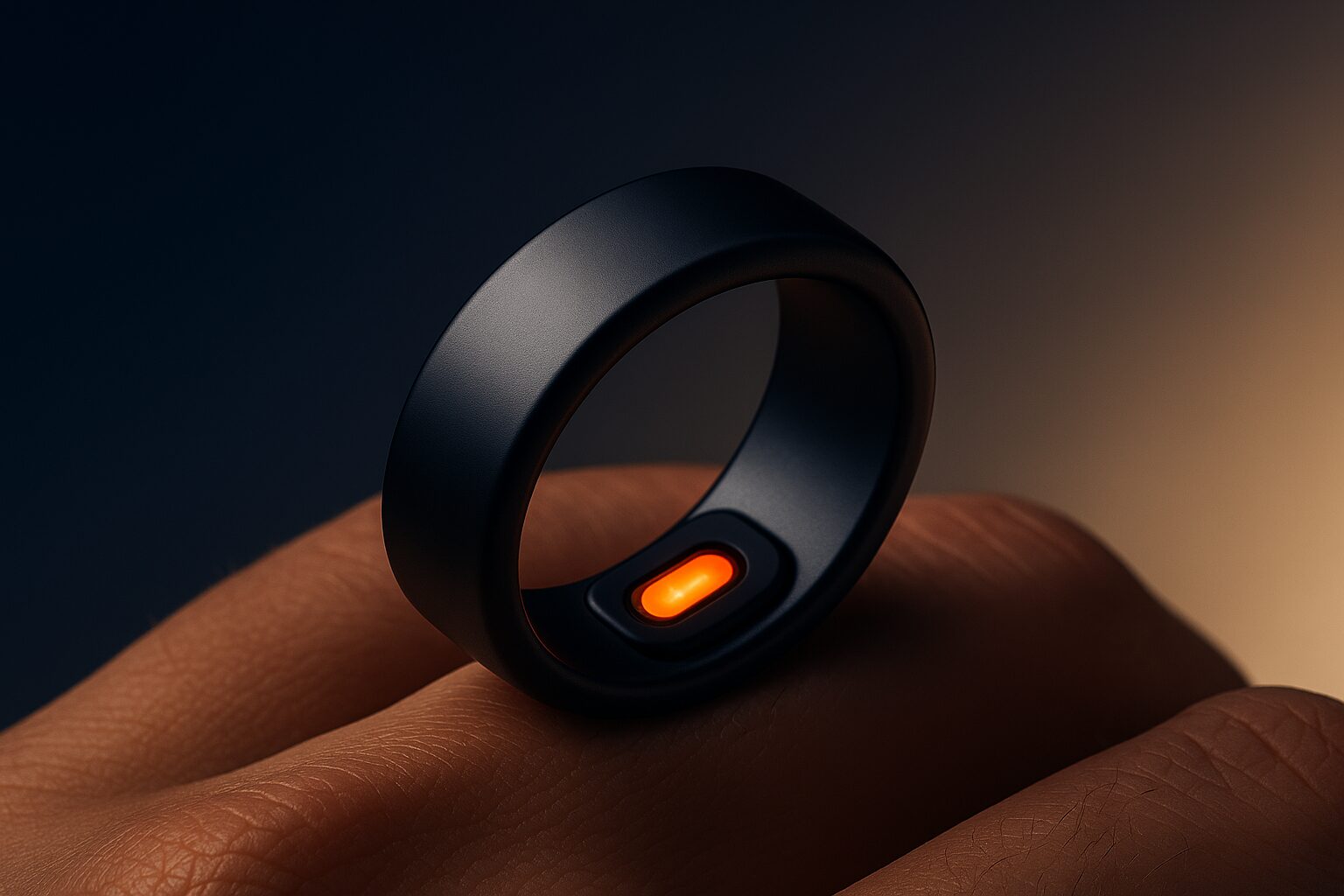
Future of Sleep: Precision Tracking on Your Finger
Unlock **unparalleled insights** into your deep sleep, physical recovery (HRV), and all-day energy expenditure with the best smart rings.
The Physiological Advantage: Why the Finger Reigns Supreme
The finger’s close proximity to the ulnar and radial arteries provides a clean, consistent **Photoplethysmography (PPG) signal**, leading to data quality that wrist-based devices often can’t match.
❤️
Precision HRV (Heart Rate Variability)
HRV is the core metric for measuring your **Autonomic Nervous System’s** health and **stress response**. Rings excel at capturing the high-fidelity *rMSSD* data required for accurate calculation of your **Recovery Score** and true physiological load.
🌡️
Basal Body Temperature & SpO2
Continuous monitoring of **Basal Body Temperature (BBT)** can detect subtle shifts that are early indicators of illness or changes in the **menstrual cycle**. Furthermore, **Blood Oxygen (SpO2)** sensing flags patterns related to **Sleep-Disordered Breathing**.
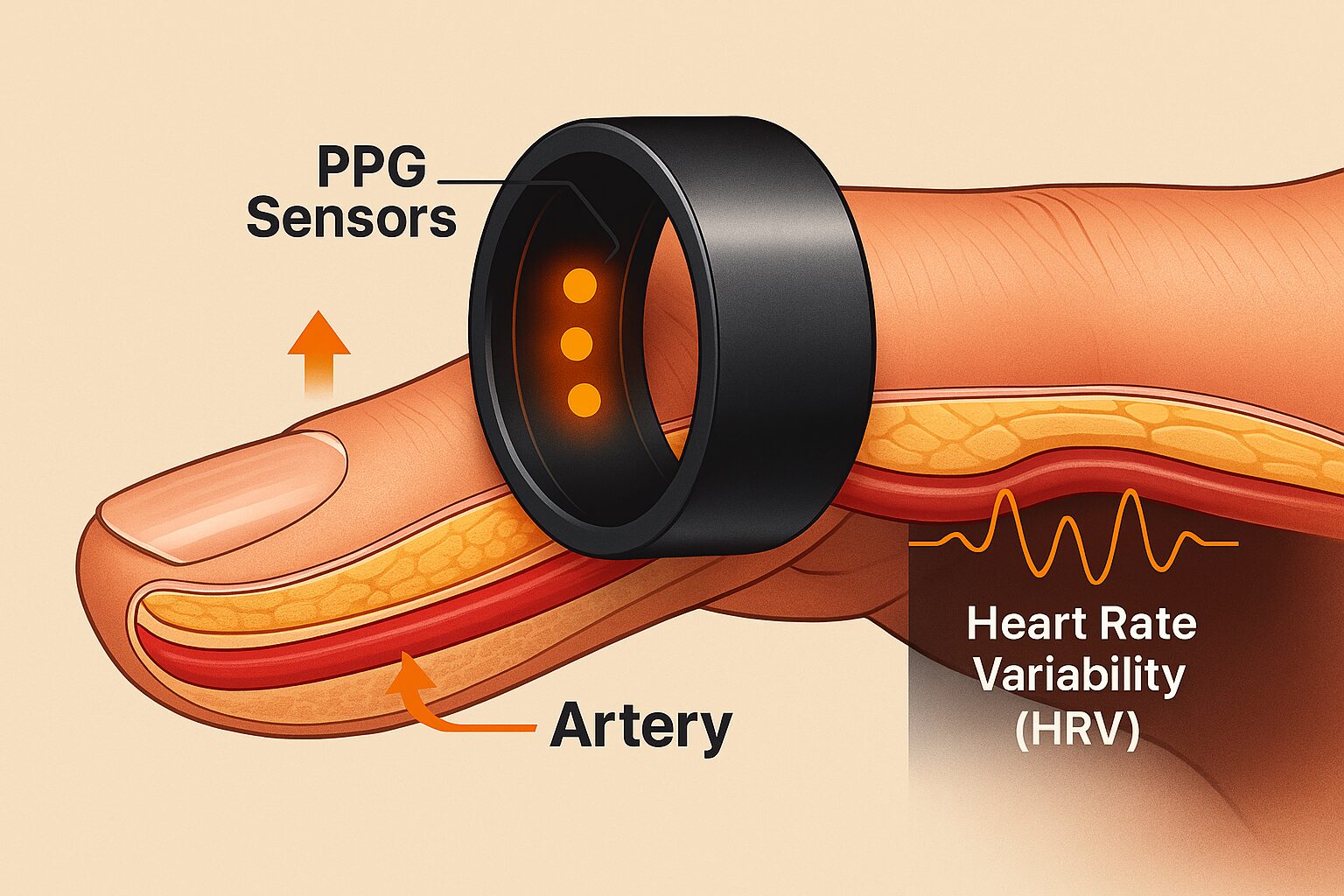
*The precision of fingertip arterial data for advanced biometric tracking.*
The Advanced Smart Ring Comparison Matrix 🏆
Compare the core specifications and required commitments for the top rings on the market.
| Model | Key Metric / Score | Subscription Required? | Battery Life (Days) | Water Resistance | Key Sensor Suite | Link |
|---|---|---|---|---|---|---|
Best Overall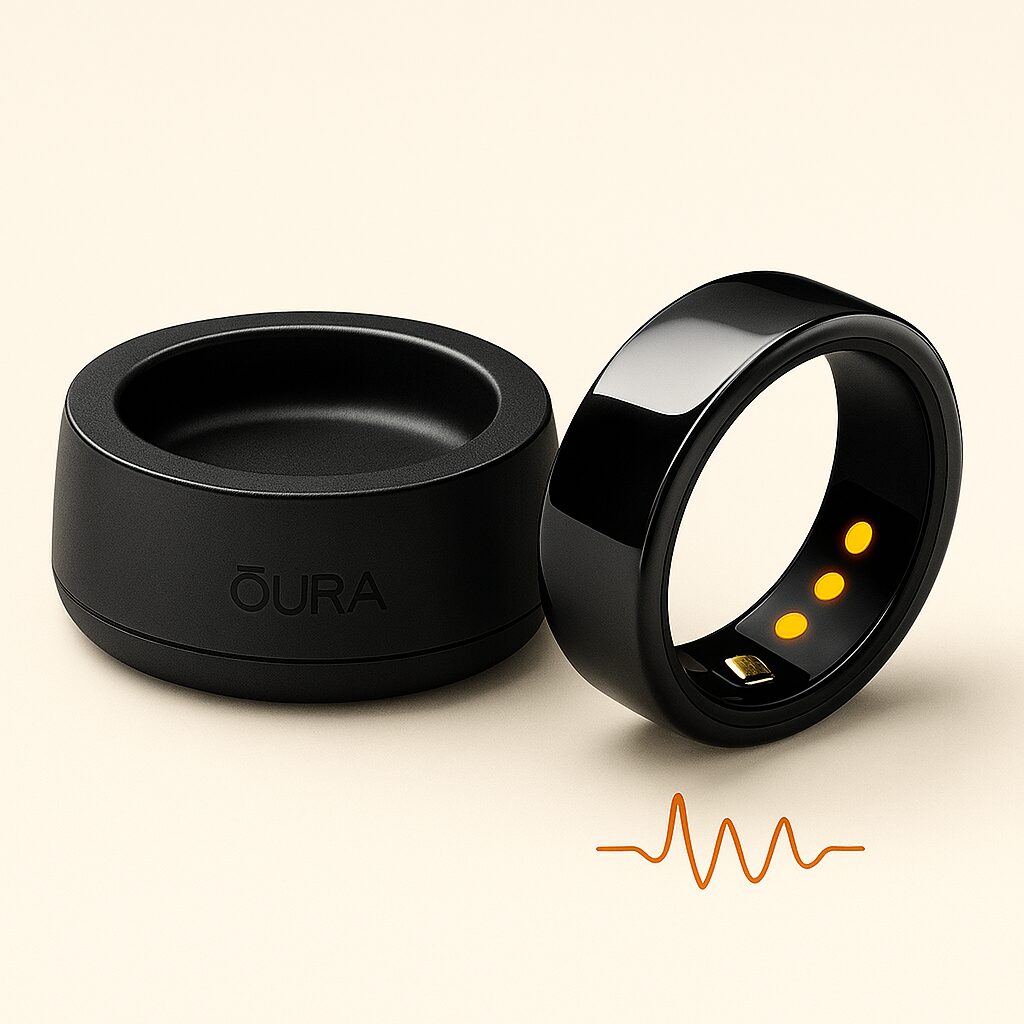 Oura Ring Gen3 |
Daily **Readiness Score** | ✅ Yes ($5.99/mo) | 4 – 7 Days | 100m (Swim-proof) | HRV, RHR, SpO2, BBT, PPG | View Oura |
Best for Athletes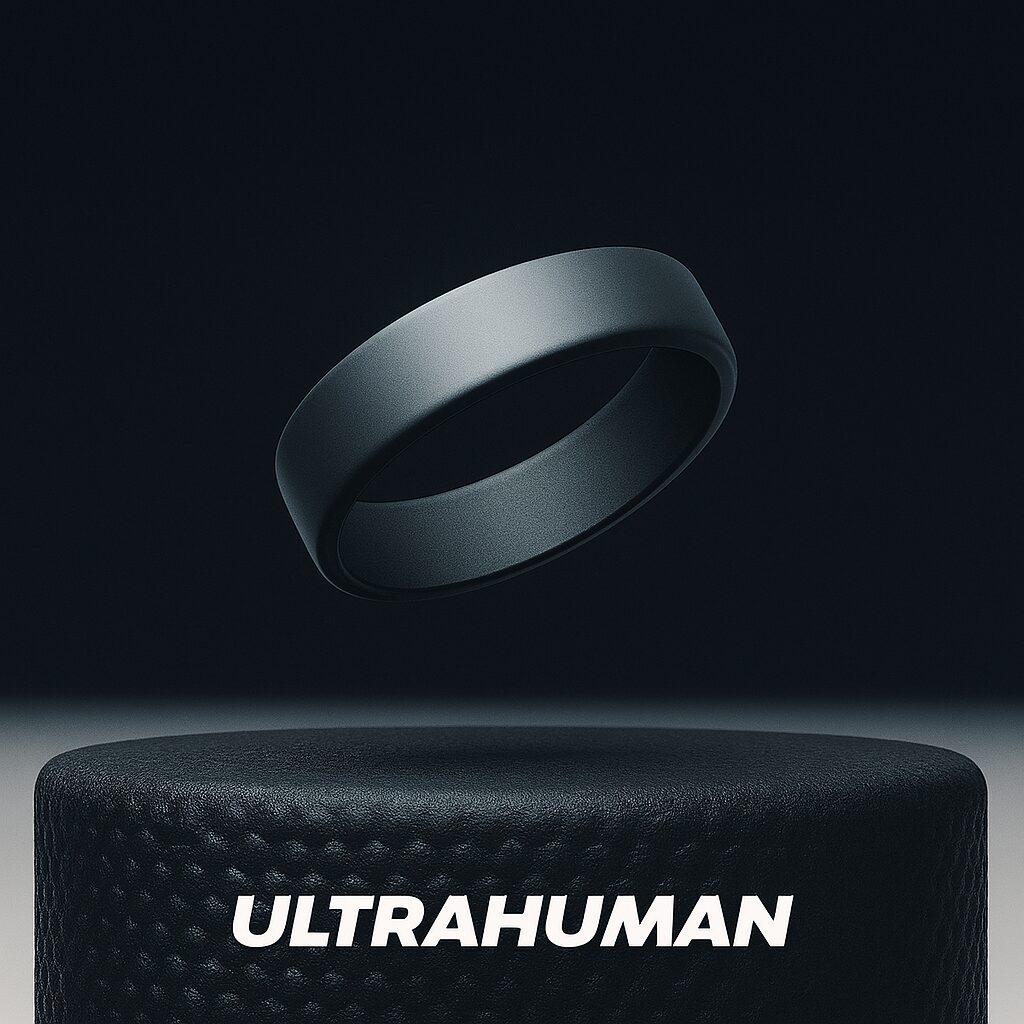 Ultrahuman Ring Air |
MVMNT (Movement) Index | ❌ No (Core features) | 5 – 6 Days | 100m (Swim-proof) | HRV, RHR, Skin Temp | View Ultrahuman |
Best Value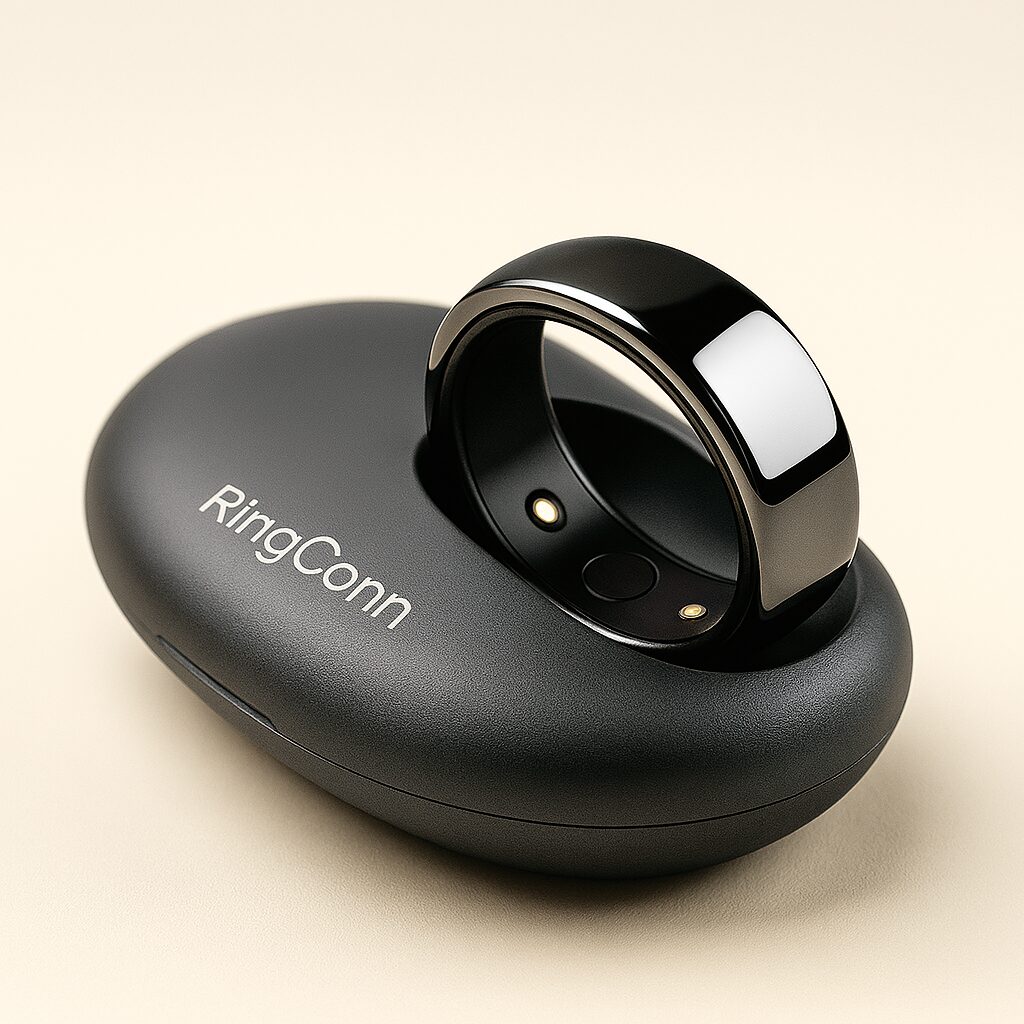 RingConn Smart Ring |
Sleep & Stress Index | ❌ No | 5 – 7 Days | 50m (Swim-proof) | HRV, RHR, SpO2 | View RingConn |
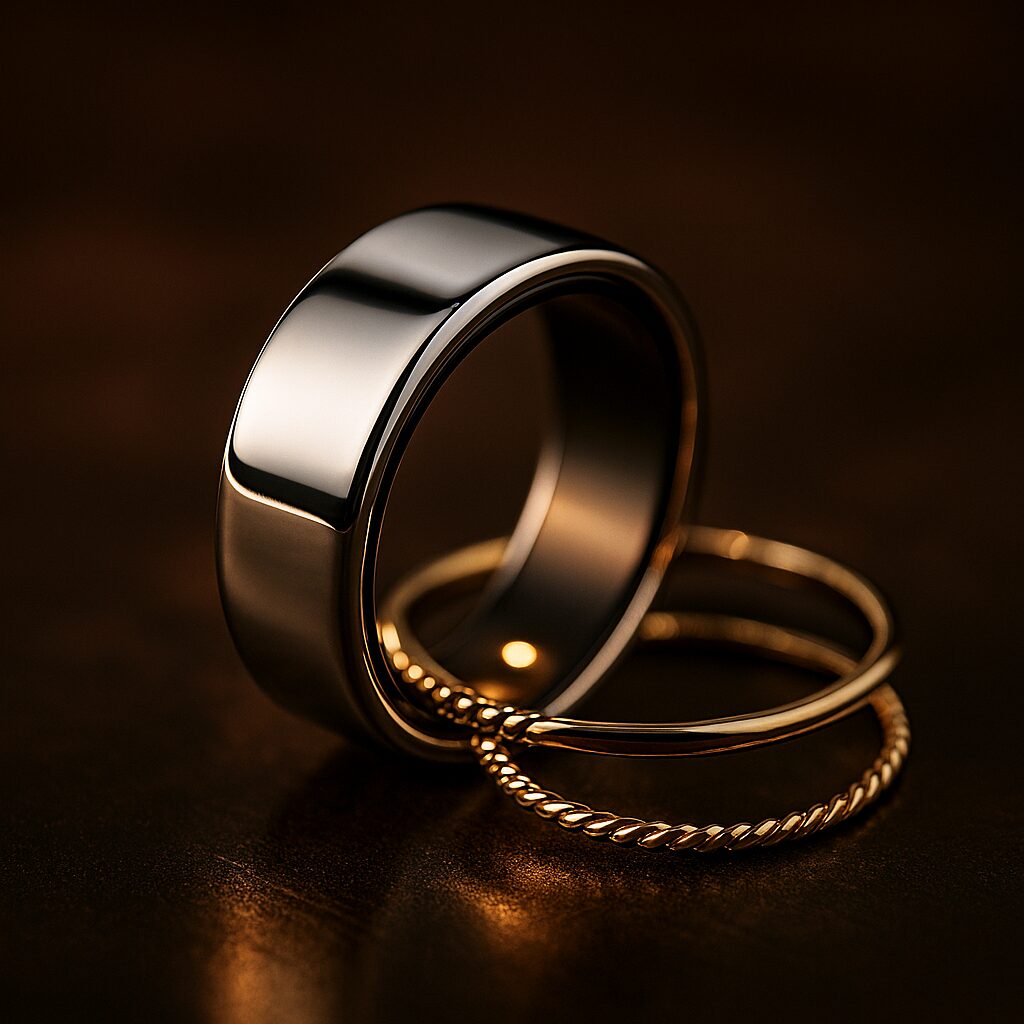 Movano Ring (Anticipated) |
Focus on **Chronic Condition** Tracking | TBD (Expected) | TBD | TBD | HRV, RHR, BBT, Movement | View Movano Ring |
Choosing Your Ring: Use-Case Focused Recommendations
The Endurance Athlete & Biohacker
If you need maximum recovery insight to optimize your training, prioritize rings with **high HRV accuracy (rMSSD)** and robust **Third-Party Integrations** (e.g., Strava, Apple Health). Look for granular breakdown of **Restorative Time**.
The Wellness & Hormone Seeker
Your primary need is passive, reliable health monitoring. Select a ring with proven **Basal Body Temperature (BBT) tracking** for menstrual cycle or illness detection. Comfort is key, as you’ll wear it 24/7. **Design** often matters more here.
The Value & No-Subscription User
If recurring costs are a barrier, focus on models like **Ultrahuman** or **RingConn** that offer their core features and data trends without a required monthly fee. This saves hundreds of dollars over the product lifespan.
Durability & Lifespan Considerations
Rings are usually made of **Titanium** or medical-grade steel. Ensure the water resistance is at least **5 ATM (50 meters)** for worry-free swimming. Also, be aware of the **2-4 year lifespan** of the sealed, non-replaceable internal battery.
Frequently Asked Questions (FAQs)
Q: Rings vs. Watches: What’s the Real Difference in Data Quality?
A: The finger is an ideal location for **Photoplethysmography (PPG)** sensor readings because arteries are close to the skin’s surface and the ring fits snugly, minimizing motion artifact. This results in **higher fidelity RHR and HRV data**, which are the building blocks for accurate recovery and sleep staging.
Q: Can a Smart Ring Replace my Dedicated GPS Fitness Watch?
A: **No**, not entirely. Rings excel at passive, all-day physiological tracking (HRV, RHR, Sleep). However, they lack the screen, dedicated real-time GPS, and full workout visibility of a dedicated smartwatch. They are best used as an **accurate recovery companion** to your fitness device.
Q: How do I ensure my smart ring gives me the most accurate data?
A: **Proper Sizing and Placement** are critical. The ring must be snug but comfortable. For optimal PPG readings, wear it on your **index, middle, or ring finger** with the internal sensors resting on the palm-facing surface of your finger.